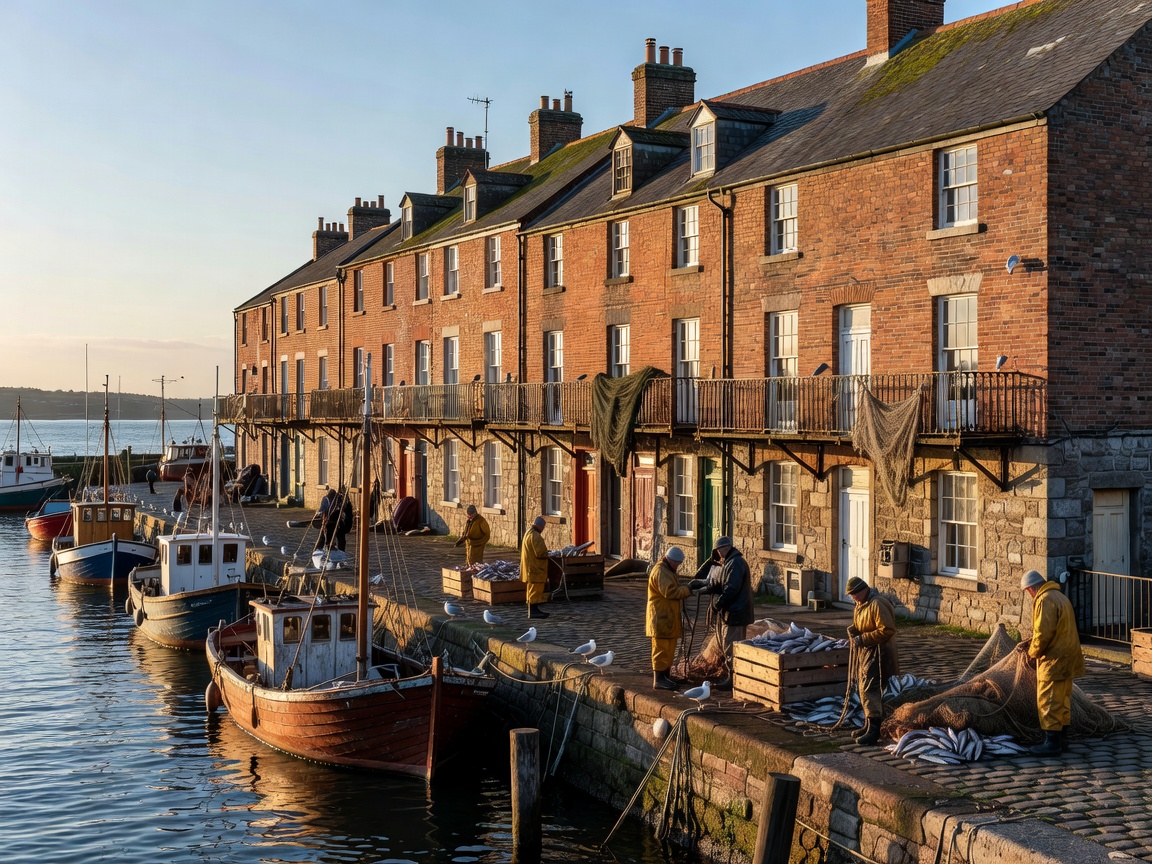
Harbour Locations
Compare working harbours, historic waterfronts, fishing villages and port towns—and consider markets, walks, transport and everyday activity.
Read about harbour locationsCoastal stays connected with local fishing culture, working waterfronts and the seafood traditions that give a harbour its particular flavour. Read the setting as closely as the menu: boats, market streets, salt-worn buildings and the changing tide all belong to the story.
Explore the guide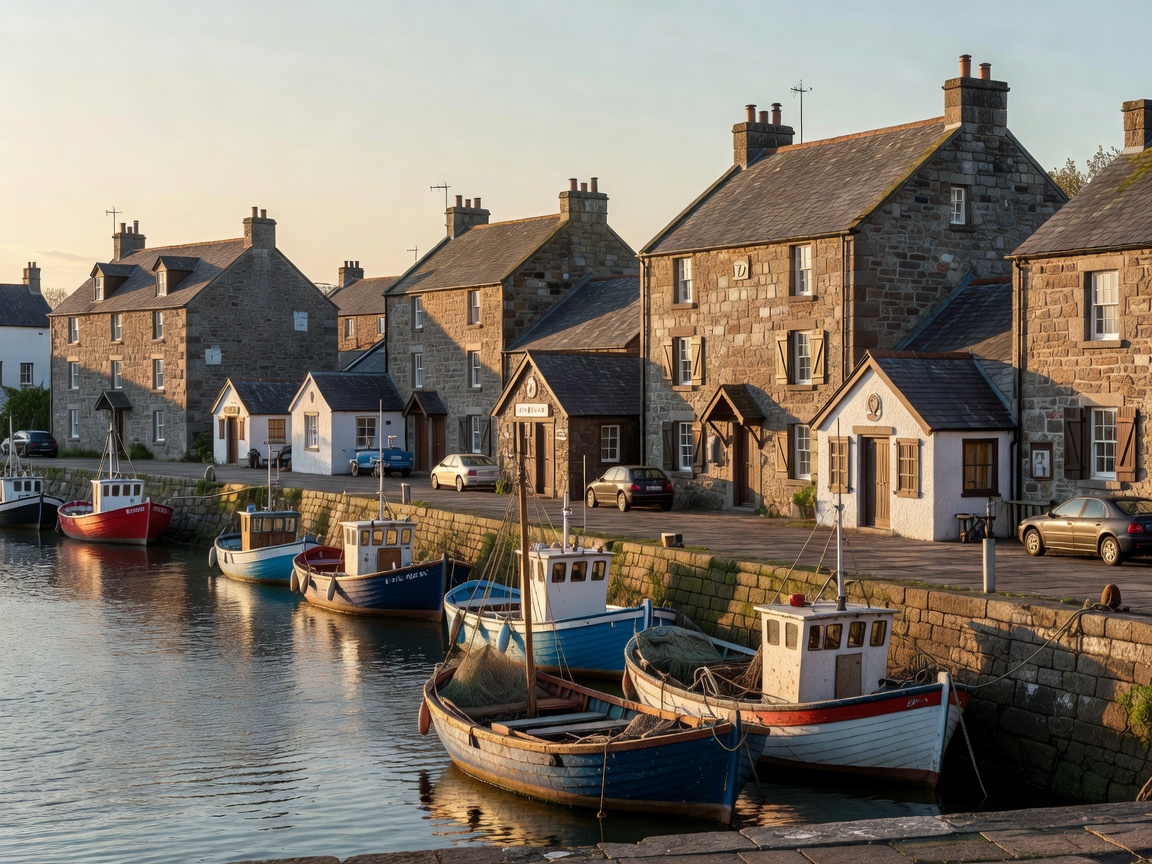
An independent editorial guide to maritime places and stays.
Each guide looks at a distinct part of a coastal stay: its location, food culture, working life, accommodation character or practical fit.
Compare working harbours, historic waterfronts, fishing villages and port towns—and consider markets, walks, transport and everyday activity.
Read about harbour locations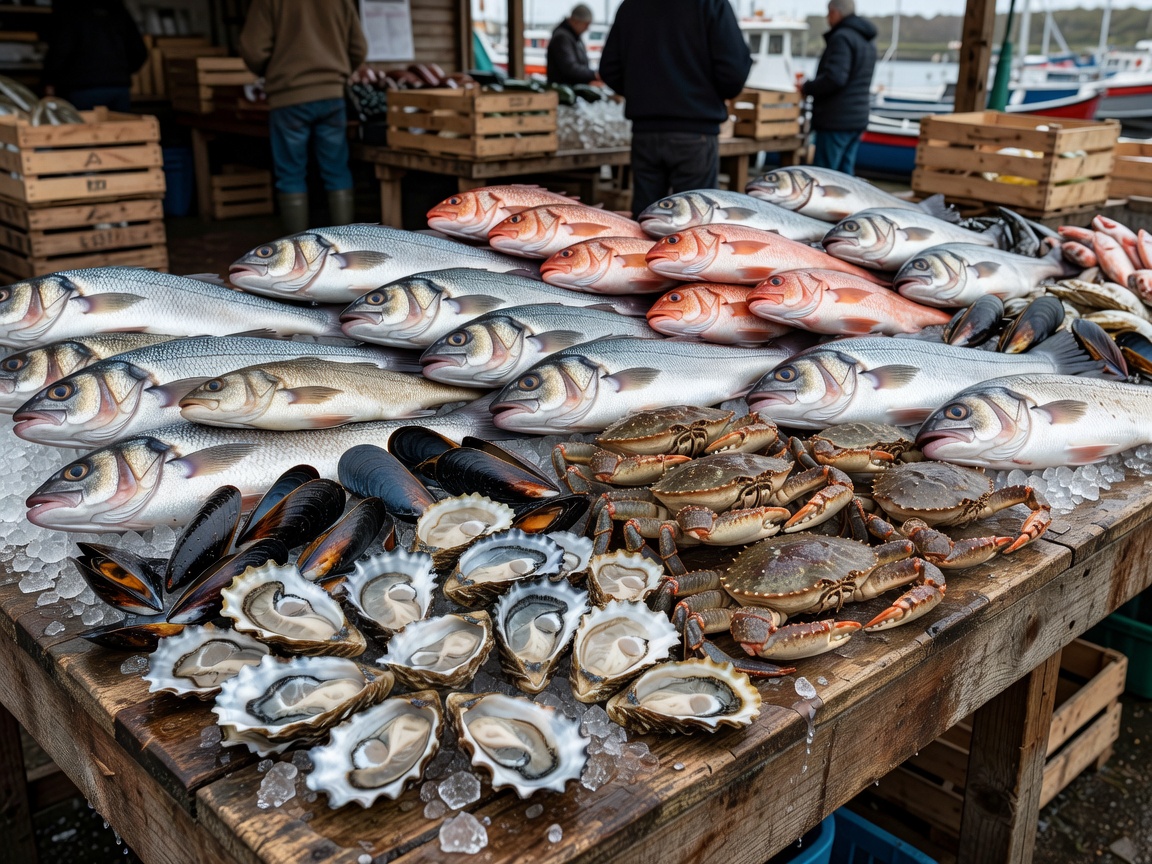
Follow local catch from quay and market to regional preparation, smoked fish, shellfish customs and seasonal differences.
Explore seafood traditions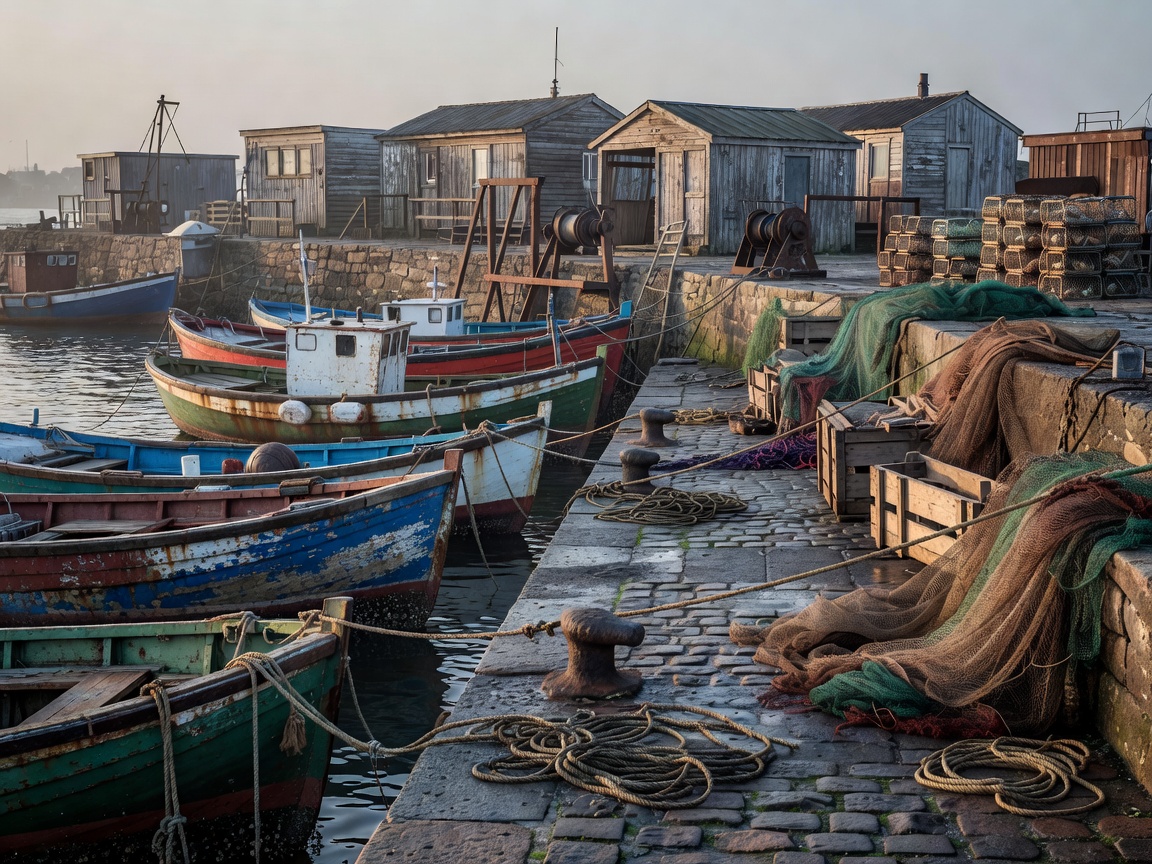
Understand boats, harbour infrastructure, marine trades and community life while distinguishing a working port from a marina.
Read about fishing culture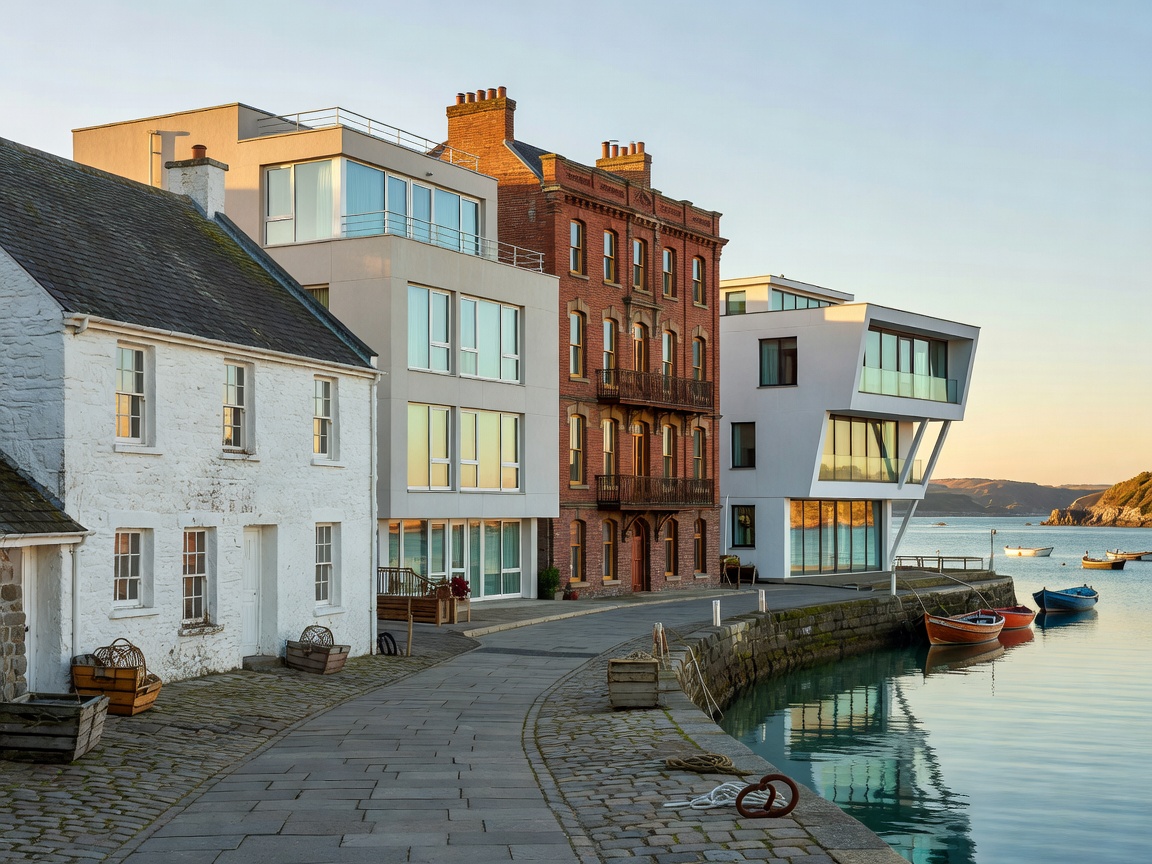
Weigh the character and trade-offs of coastal inns, guesthouses, converted waterfront buildings and contemporary stays.
Compare hotel styles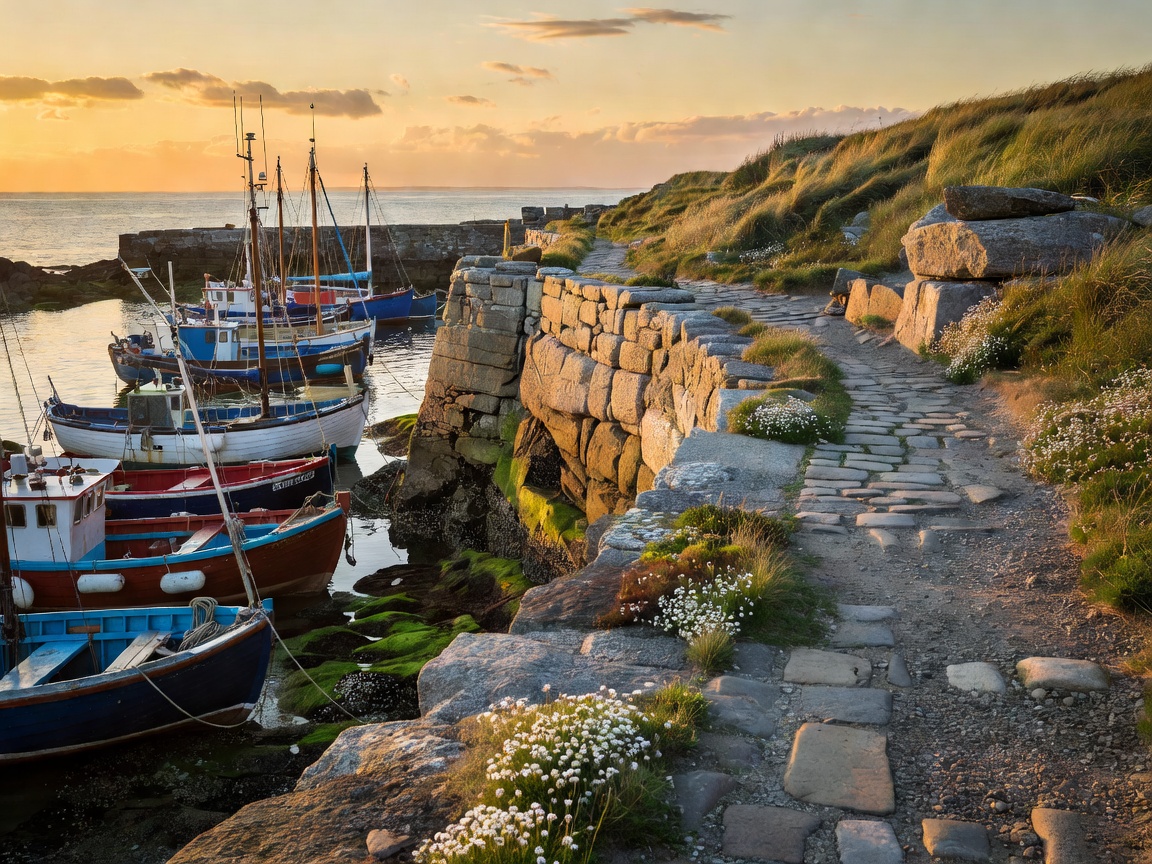
Use practical criteria for access, harbour noise, food, transport, accessibility, seasonality and nearby coastal attractions.
Use the choosing guideA harbour stay is shaped by more than a view. The waterfront can be a workplace, a route to a fish market, a place to read the weather and a street of old maritime buildings. The catch, in turn, reflects local waters and season; its handling and cooking carry regional habits into kitchens and dining rooms.
Accommodation sits within that web. A converted waterside building may place daily activity close at hand, while a quieter address set back from the quay can offer a different rhythm. This guide is editorial rather than a booking directory: it helps readers notice those relationships and compare them thoughtfully, without treating working communities as scenery.